The Grasspea research program at the ICARDA–Food Legume Research Platform (FLRP), Amlaha, recently gained national and international attention through significant high-level visits that highlighted the crop’s strategic importance for climate-resilient agriculture, nutritional security, and India’s pulse self-reliance goals.
In a landmark visit, the Hon’ble Union Cabinet Minister of Agriculture & Farmers’ Welfare, Government of India, Shri Shivraj Singh Chouhan, visited the grasspea research fields at ICARDA–FLRP. He was accompanied by Dr. M. L. Jat, Secretary (DARE) & Director General, ICAR; Dr. D. K. Yadava, Deputy Director General (Crop Science), ICAR, New Delhi, India.
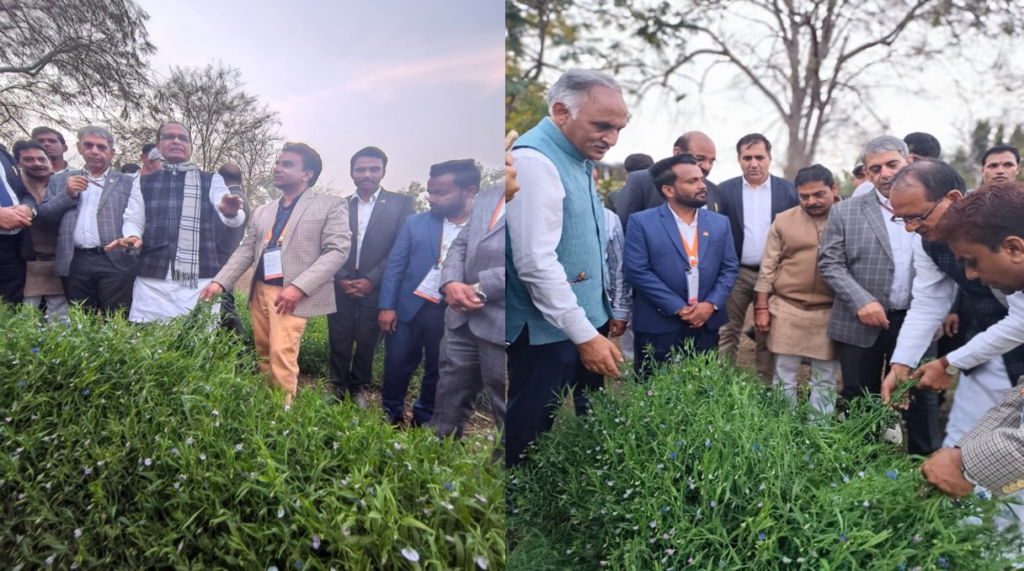 Photo: Hon’ble Shri Shivraj Singh Chouhan (Union Cabinet Minister Agriculture & Farmers’ Welfare, Government of India) along with Dr. M. L. Jat, Secretary (DARE) & Director General, and Dr. D. K. Yadava, DDG-Crop Science, ICAR, New Delhi, India
On the occasion, Mr. Aly Abousabaa, Director General, ICARDA visited the grasspea fields with high-level visitors to review breeding progress and assess advanced lines under field conditions. Together, these visits reflect a renewed momentum toward strengthening resilient pulse crops in alignment with national priorities.
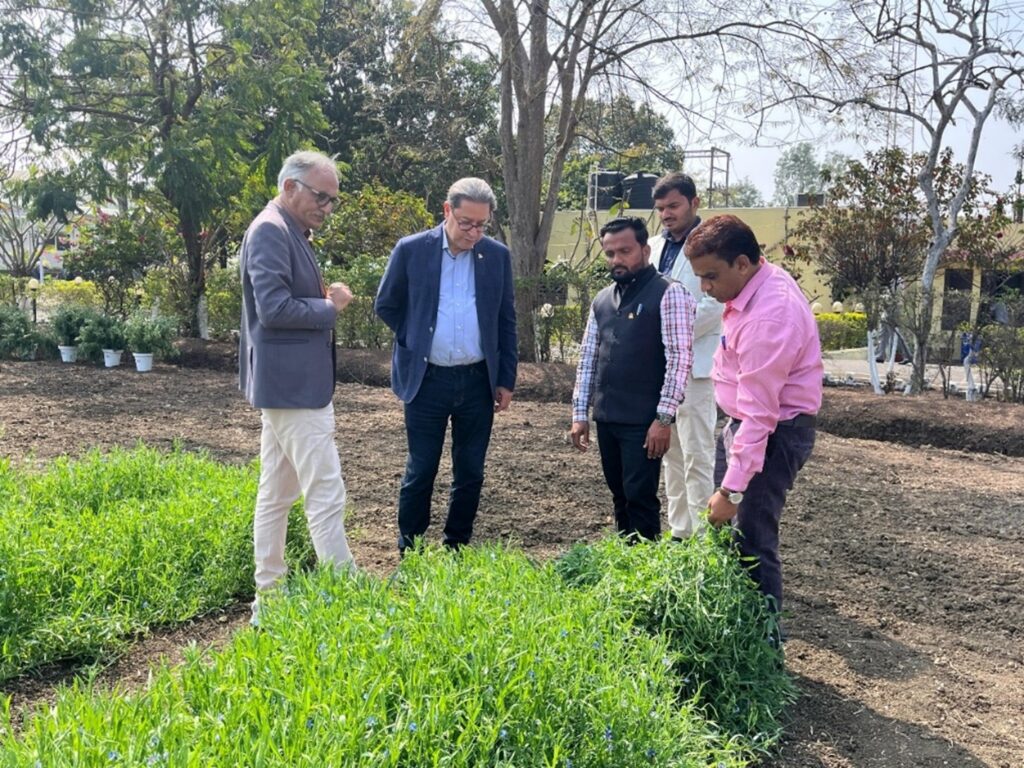 Photo: Mr. Aly Abousabaa, DG, ICARDA and Dr. Shiv Kumar Agrawal,
Head-FLRP of ICARDA at Grasspea research field trials.
Grasspea and the Vision of National Mission for Aatmanirbharta in Pulses in India
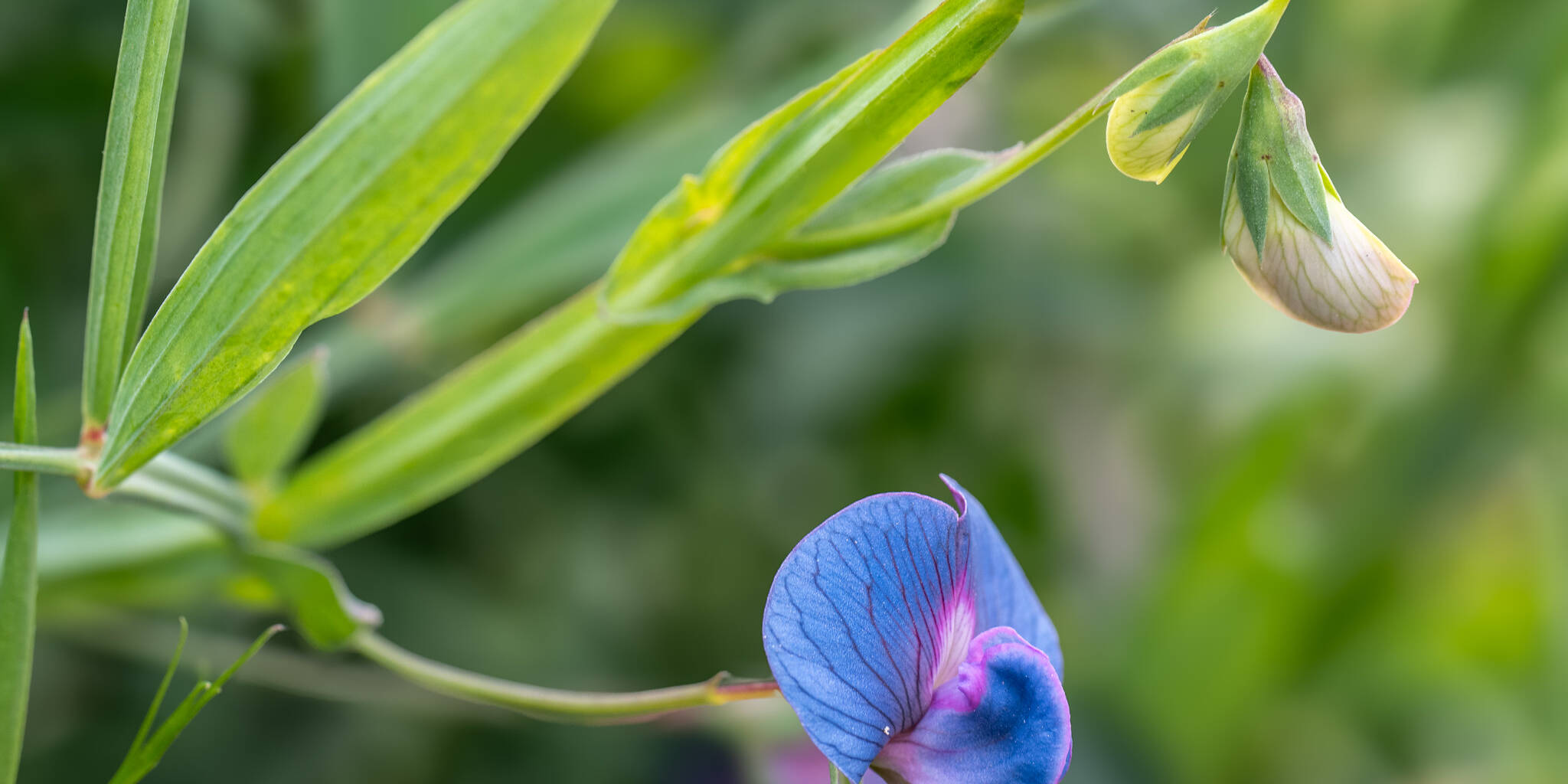
India’s National Mission for Aatmanirbharta in Pulses aims to enhance domestic pulse production, reduce import dependence, and achieve self-reliance (Aatmanirbharta) in pulses through research, improved varieties, and farmer-centric interventions. In this context, grasspea holds special relevance. Grasspea (Lathyrus sativus L.) thrives in marginal lands, rainfed ecosystems, and stress-prone environments where other pulses may fail. Often described as an “insurance crop,” it can withstand drought, waterlogging, and poor soil fertility, ensuring stable productivity even under climate uncertainty.
The Hon’ble Minister appreciated the crop’s resilience and recognized its potential role in diversifying pulse production systems.
Scientific Advances: Low-ODAP and Nutritional Enrichment
During the visit, Dr Barpete presented ongoing breeding efforts aimed at combining yield improvement with enhanced nutritional traits and significantly reduced ODAP content to ensure food safety.
A key highlight was the briefing by Dr. Shiv Kumar Agrawal, Head, ICARDA–FLRP & Regional Coordinator, SACRP. Addressing the Hon’ble Minister and accompanying dignitaries, Dr. Agrawal emphasized that grasspea is no longer just a survival crop but is being repositioned as a nutritionally enriched pulse. Importantly, he highlighted the presence of homoarginine, a functional amino acid associated with potential cardiovascular health benefits. He also explained that grasspea contains approximately 28–30% protein, making it a valuable plant-based protein source. He emphasized that aligning grasspea improvement with nutritional enhancement supports the broader goals of Rashtriya Aatmanirbharta Dalhan Mission – not only increasing production but also improving pulse quality for human health and animal feed.
The Hon’ble Minister appreciated these scientific advancements and acknowledged the importance of linking agricultural research with national nutrition and self-reliance missions.
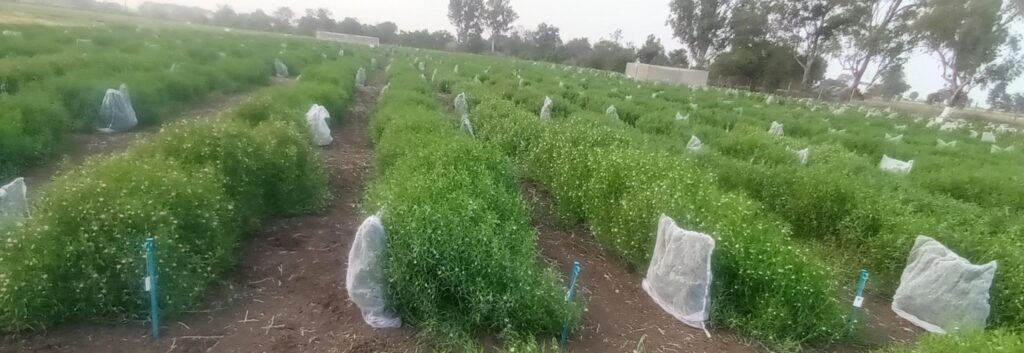 Photo: Grasspea research field trials at ICARDA-FLRP, Amlaha, India
Strengthening ICAR–ICARDA Partnership for Pulse Self-Reliance
The visits also demonstrated the strong collaborative framework between ICAR and ICARDA in accelerating food legume research. The ICARDA–FLRP at Amlaha functions as a centre of excellence for Legume breeding, integrating conventional selection methods with modern genomic tools and multi-location trials.
Dr. M. L. Jat and Dr. D. K. Yadava highlighted the importance of fast-tracking improved varieties and strengthening seed systems to ensure wider adoption among farmers, particularly in rainfed and tribal areas. During visit of DG, ICARDA, Mr. Aly Abousabaa reiterated ICARDA’s global commitment to promoting resilient legumes across South Asia and Sub-Saharan Africa. He emphasized that strengthening grasspea research aligns not only with India’s National Mission for Aatmanirbharta in Pulses but also with global food system resilience goals.
Grasspea: From Neglected Crop to Strategic Pulse
Historically considered an underutilized legume, grasspea is now emerging as a strategic crop in the era of climate change. Its ability to perform under extreme stress conditions, fix atmospheric nitrogen, improve soil fertility, and provide high-quality protein makes it uniquely positioned to contribute to sustainable intensification.
The high-level visits to ICARDA–FLRP, Amlaha, signify more than institutional recognition – they reflect a policy-aligned vision where resilient pulses play a central role in achieving self-sufficiency in dal production. By integrating climate resilience, nutritional enrichment (including homoarginine enhancement), and low-ODAP breeding strategies, grasspea research directly contributes to the objectives of the Rashtriya Aatmanirbharta Dalhan Mission. With sustained scientific innovation and supportive policy frameworks, grasspea is steadily transforming from a survival crop of the past into a smart, strategic pulse for India’s climate-resilient and self-reliant agricultural future.
About our guest author
 This blog was penned by Dr. Surendra Barpete ( s.barpete@cgiar.org ), a National Associate Scientist at the ICARDA-Food Legume Research Platform, Amlaha, India. Special thanks to Dr. Ashutosh Kumar Yadav and Dr. Akanksha Singh for reviewing the grasspea blog. Heartfelt gratitude to Dr. Agrawal for their unwavering support and providing opportunity to popular the grasspea among the policy maker and farmers.